
SIG’s new aseptic carton filling machines target high output and flexibility
SIG has expanded its SIG Neo portfolio with new filling machines for aseptic cartons – seeking to offer high output and
SIG has expanded its SIG Neo portfolio with new filling machines for aseptic cartons – seeking to offer high output and

Amcor has unveiled a bespoke, mono-polypropylene flip-top closure for sauce brand Choví, designed to control the sauce’s
SunDance’s new custom coffee valve pouches aim to combine product freshness with flexible, digital printing for low minimum order

According to Husky Technologies, end-to-end advisory services can help balance sustainability requirements, production capacity, and competitiveness at the business level. Sean Golzarian and Gianfranco Niso – director of Advisory Services and business manager of Factory Planning & Project Management, respectively – tell us more in this edition of our ‘In Conversation With…’ series.

Sean Golzarian
Director of Advisory Services
SG: The environment packaging manufacturers are operating in today is very different from what it was just a few years ago. They’re balancing rising operating costs, labor shortages, sustainability targets, fluctuating demand and increasing expectations around recycled content, all while remaining competitive.
As a result, the conversations we’re having with customers have changed. They’re no longer focused solely on selecting the right equipment. They’re asking broader questions: How can we reduce energy consumption? How do we prepare for higher levels of recycled content? How can we increase capacity without significantly increasing operating costs?
At that point, the conversation isn’t really about equipment anymore, it’s about the business. Our role is to help customers work through the different options, understand the trade-offs and make long-term decisions that support their business throughout the lifecycle of their operations.
SG: One of the biggest changes we’ve seen is that manufacturing challenges are rarely isolated. A decision in one area often has an impact somewhere else in the operation.
For example, introducing more recycled content may require changes to the process. Adding automation can affect factory layout and utilities. Even a decision that seems straightforward, like increasing production capacity, can influence material flow, energy consumption and maintenance requirements.
If you only focus on solving one issue, there’s a risk of creating a bottleneck somewhere else. That’s why we encourage customers to step back and look at the operation as a whole.
Whether they’re building a new facility, expanding an existing plant or modernizing part of their operation, the best results come from understanding how all the pieces fit together.
Instead of looking at individual systems in isolation, we help customers improve the performance of the entire manufacturing operation. That leads to better productivity, lower downtime and energy consumption, and investments that continue to deliver value as their business evolves.
SG: For us, end-to-end advisory means supporting customers throughout their manufacturing journey, from the early planning stages, long before equipment is selected, through plant design, production ramp-up and ongoing operational improvement.
Every customer is different. Some are planning a new facility, others are looking to improve existing operation, reduce energy consumption or prepare for higher levels of recycled content. Increasingly, our focus extends beyond individual systems to the performance of the overall manufacturing operation. Rather than looking at each challenge separately, we help customers understand how today’s decisions will affect their operation in the years ahead.
That’s why we offer a range of Advisory Services that support customers at different stages of their manufacturing journey.
Although these are distinct advisory areas, they’re often connected. A customer may start by evaluating a business opportunity and later need support with plant design, operational improvements or sustainability initiatives.
Ultimately, it’s about helping customers make better business decisions, not simply equipment decisions.
SG: A good example would be a manufacturer evaluating a major capacity expansion or planning a new greenfield production facility.
On the surface, it sounds like an equipment decision. But very quickly the conversation becomes much broader. Is the investment financially viable? What are the CAPEX and long-term operating costs? How can the operation be designed to remain competitive over time?
If recycled content is part of the strategy, what impact will that have on production? How can conversion costs be reduced through higher OEE, lower energy consumption and the right level of automation? Is the existing factory layout suitable, or does it need to be redesigned?
These questions are all connected, and answering them together usually leads to a better outcome than looking at each one in isolation.
What starts as a conversation about production capacity often becomes a discussion about sustainability, energy, automation, factory design and future growth. Looking at those decisions together often reveals opportunities that would be missed if each challenge were addressed independently, that’s the role Husky’s Advisory Services are designed to play.
GN: Customers may have clear business goals around growth, productivity, sustainability or increasing the use of recycled content, but achieving those goals starts with designing the right manufacturing environment.
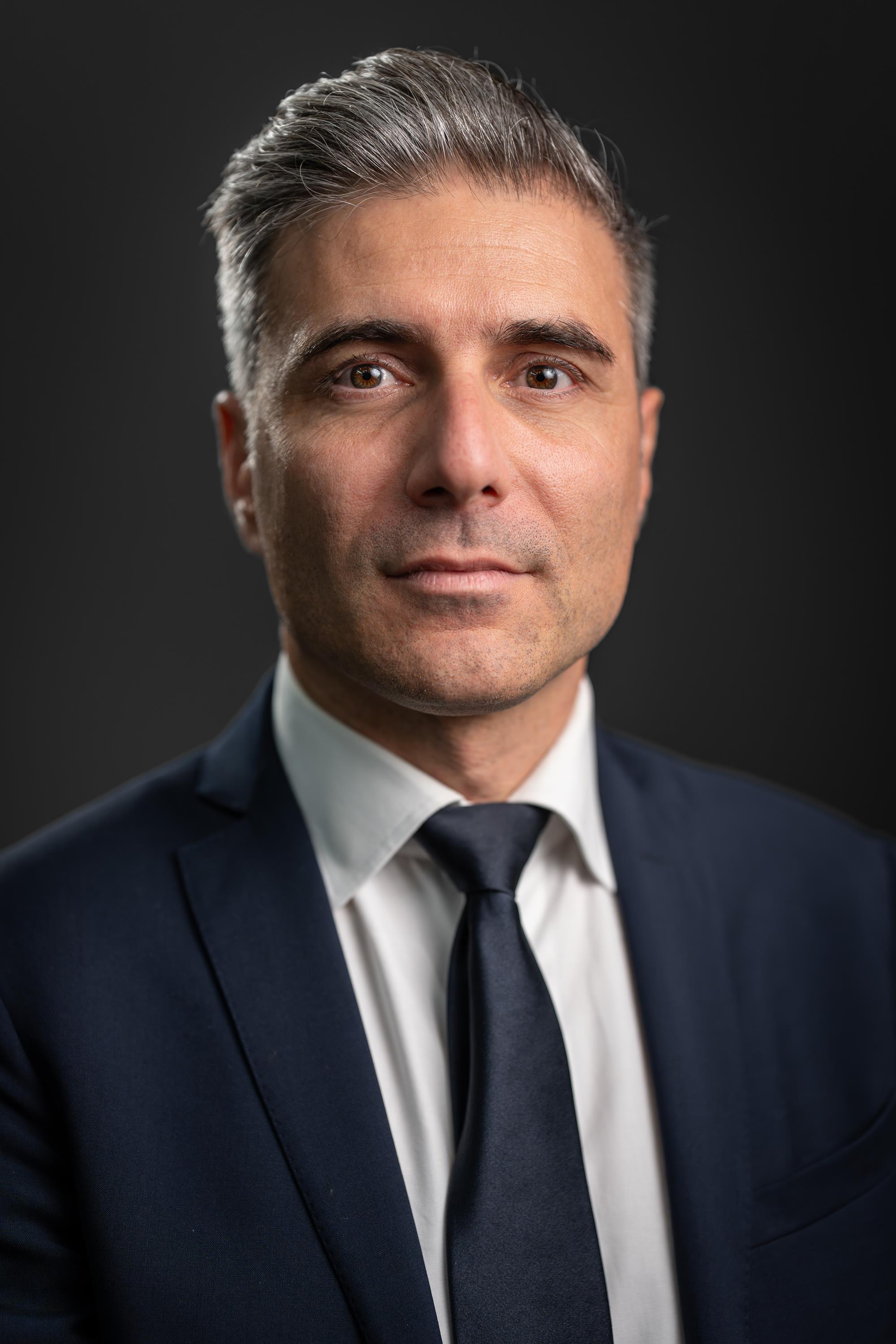
Gianfranco Niso
Business Manager of Factory Planning & Project Management
That’s where Factory Planning comes in. We work with customers early in the planning process to translate their business objectives into practical engineering decisions. That includes everything from plant layout and production flow to utilities, automation and planning for future expansion.
Many of these decisions are made long before construction begins, but they can have a lasting impact on operating costs, productivity and the flexibility of the operation. Taking the time to get them right at the beginning helps avoid costly changes later and gives customers a stronger foundation for future growth.
By the time we’re involved, customers usually know what they want to achieve. Our job is to help them build a facility that can actually deliver those results, not just on day one, but for many years to come.
SG & GN: Looking ahead, there are a few areas where we think manufacturers have the biggest opportunities:
None of these are one-time projects. The companies that will benefit the most are the ones that keep improving over time, adapting to new technologies, changing market demands and evolving sustainability requirements.
The most successful manufacturers will be the ones that continue asking, ‘How can we do this better?’ rather than assuming the job is finished once production starts.
Learn how Husky Advisory Services can help you plan, optimize, and future-proof your injection molding operation. Explore Husky Advisory Services here.

ATS-Tanner’s banding solutions aim to reduce packaging waste, provide a practical alternative to plastic and improve recyclability. In

Rollon believes tertiary packaging machinery must perform without fail, showcased by its recent partnership with AMP Automation to develop palletizing

Packaging has never carried greater commercial responsibility. It influences how consumers perceive brands, how products perform in increasingly competitive markets

Paperworld Middle East, the region’s leading trade show for paper and stationery products, taking place from 13–15 October

What connects an experienced papermaker, the creators of cactus-based leather, the people conserving forests for future generations, and a

Packaging manufacturers are under constant pressure to increase output, reduce operating costs, improve sustainability, and maintain consistent product quality. One

Driven by the global sustainability trend, the EU PPWR mandates packaging reduction, recyclable design, and restrictions on single-use packaging.

In this edition of the Spotlight, Coexpan (part of Grupo Lantero) details how its rPS Food enables up to 100%

SIG has expanded its SIG Neo portfolio with new filling machines for aseptic cartons – seeking to offer high output and

Amcor has unveiled a bespoke, mono-polypropylene flip-top closure for sauce brand Choví, designed to control the sauce’s

SunDance’s new custom coffee valve pouches aim to combine product freshness with flexible, digital printing for low minimum order

EUROPEN is one of 40+ industry associations calling for a stronger Extended Producer Responsibility (EPR) framework under the Circular Economy