DE-VAU-GE Gesundkostwerk Deutschland GmbH upgraded to Alpha – the latest generation of adhesive melters from Robatech – while continuing normal operations. This Spotlight looks at the reasons behind this decision, and the benefits modernization has brought to operation and maintenance.
In this edition of The Spotlight, Markem-Imaje examines how 2D coding is redefining the role of flexible packaging and how manufacturers can prepare for the challenges to come.
In this Spotlight, Utien Pack details its Unifresh vacuum skin packaging (VSP) technology for fresh food products, featuring a specially developed sealing chamber with a two-step heating process and capable of accommodating materials from high barrier skin films to 10K breathable films.
No shortcuts to compliance: Building structured packaging master Data for PPWR
In this edition of the Spotlight, Recyda explains why high-quality packaging master data and scalable data processes are becoming essential as PPWR requirements evolve.
If there is one thing the Packaging and Packaging Waste Regulation (PPWR) is making clear, it is this: Data quality is becoming just as important as the compliance process itself.
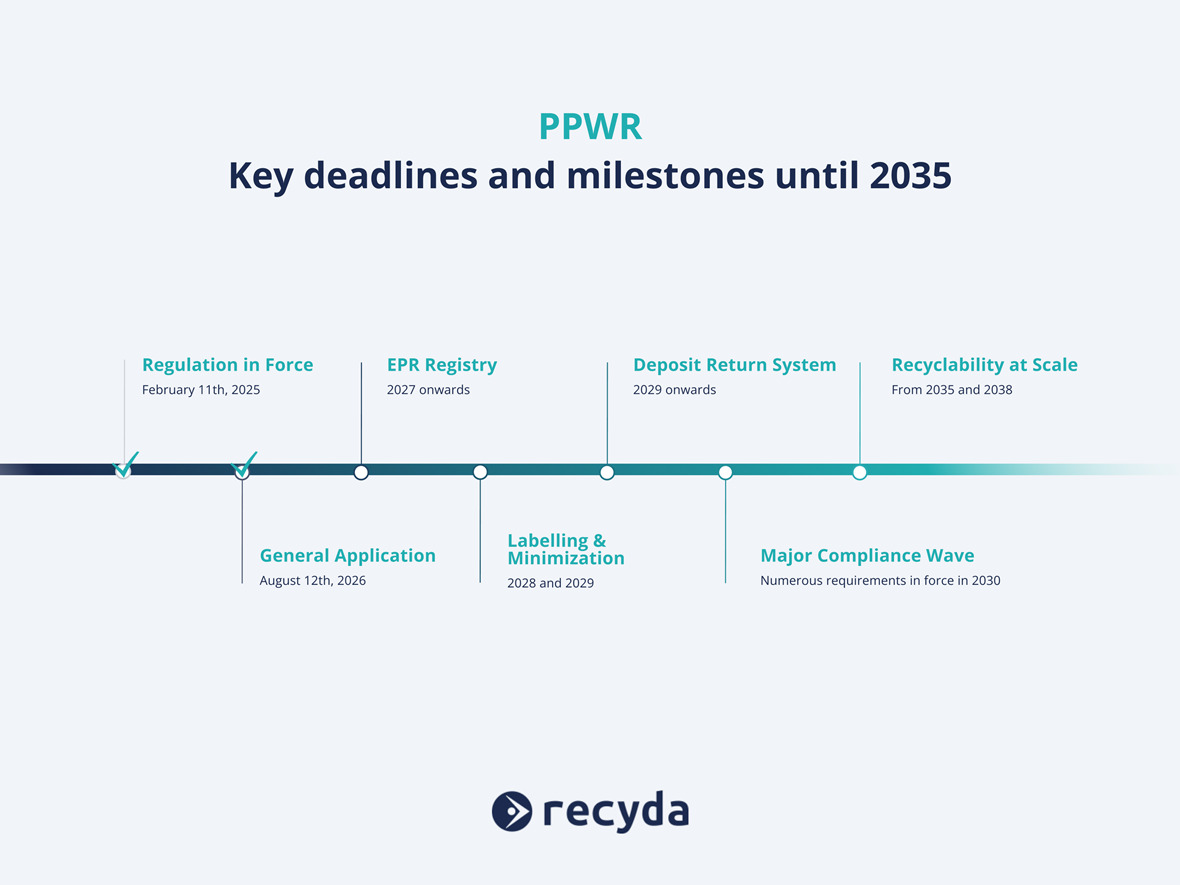
Over the next few years, the regulation will introduce requirements around areas such as recyclability, reuse, and minimization, which means companies will need to collect and maintain a much broader range of information about their packaging.
The question is no longer simply: “Can we report our packaging data today?”
It is becoming: “Do we have the right packaging master data to answer the regulatory questions that will come next?”
PPWR is Changing the Data Requirements
Maintaining packaging data is not new. For years, companies have managed packaging data well enough to meet their regulatory obligations for Extended Producer Responsibility (EPR) reporting.
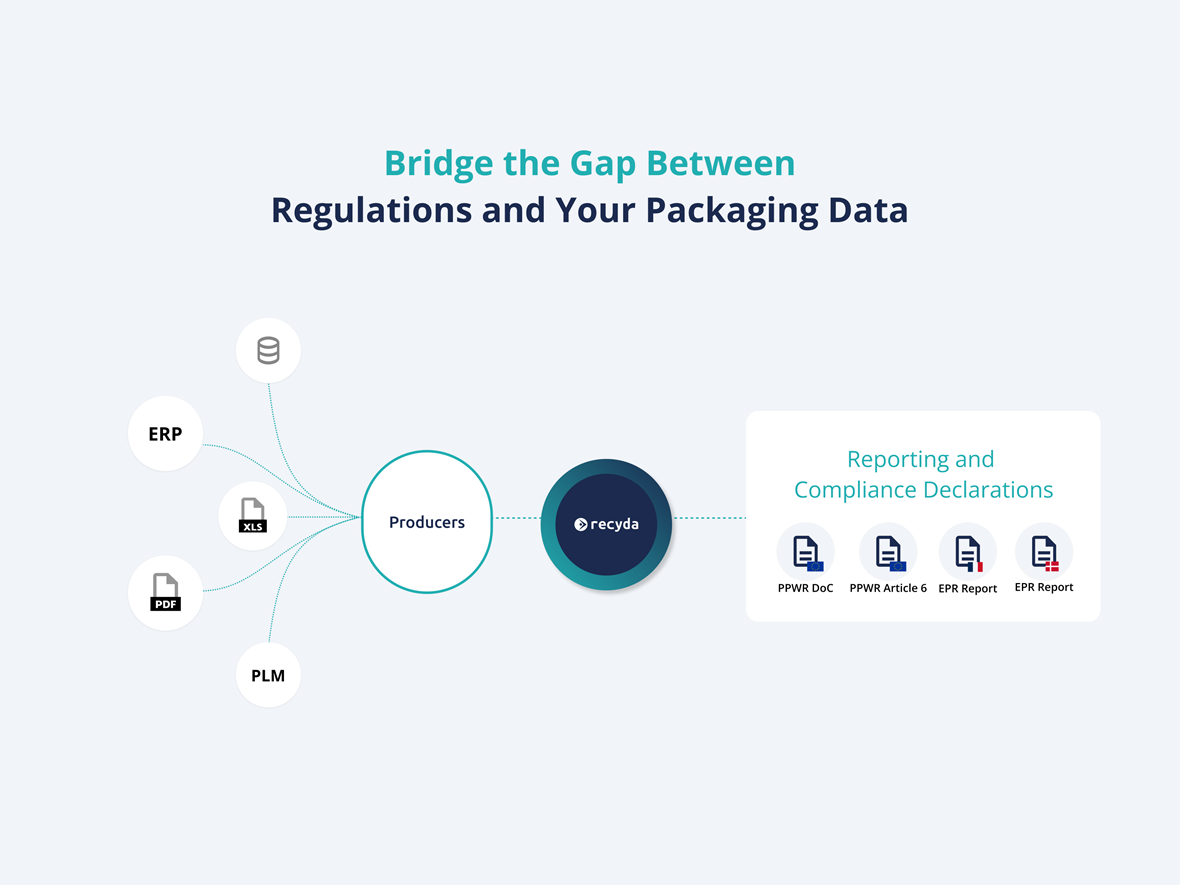
Packaging information was often maintained across ERP systems like SAP or spreadsheets, supplemented with manual processes, assumptions, and occasional data gaps. In many cases, this was sufficient to produce the required reports.
What is changing now is the depth and breadth of the data required.
We have already seen this with requirements around PFAS and heavy metals, where companies need to compile relevant information and retain it as supporting technical documentation.
Today, PPWR requires you to know if your packaging exceeds certain levels of substances of concern. Tomorrow, you will need to know about a lot more details of your packaging composition, including information about metalization, barriers, inks, colours used, or even aspects such as separability of different components.
The underlying packaging may not have changed. But the questions being asked about it will.
Why There Are No Shortcuts to Structured Data
A spreadsheet can be useful for managing packaging data for a small portfolio, and manual processes can work temporarily. However, there is simply no shortcut to structured packaging data.
Many companies try to implement quick fixes tailored to a specific reporting requirement, patching over gaps as needed. But this approach eventually hits a wall. Essentially, these companies need to do the hard work of improving the underlying quality of their master data.
Often, teams believe their existing data is good enough, until they actually start digging in. It is only when they attempt to meet new regulatory demands that they realize just how much critical information is missing.
The real bottleneck hits when you try to scale that manual work. What works as a quick fix for one country’s reporting regime becomes impossible to manage when applied across multiple jurisdictions.
Each new requirement means going back to suppliers, updating spreadsheets, applying new formulas, making assumptions, and rebuilding reports, the process quickly becomes difficult to maintain.
The result is a need for a fundamentally different approach to packaging master data.
What Does Better Data Quality Actually Look Like?
Improving data quality isn’t simply about collecting “more data”—it’s about knowing which data matters and structuring it consistently.
Rather than trying to predict every piece of information you might need in the future, companies should use regulatory requirements to define the data points they need to collect, maintain, and improve over time.
Moreover, rather than leaving details scattered across supplier PDFs or free-text fields, packaging specifications should be organized into standardized attributes across your entire portfolio.
Once this robust foundation is built, compliance documentation, assessments, and technical reports can be drawn directly from it without having to collect new data each time.
Recyda: the Bridge Between Regulation and Packaging Data
We at Recyda, have built a robust data model that connects regulatory requirements with the underlying packaging master data needed to meet them.
Based on PPWR and existing regulations, our platform helps companies understand which data points they need to collect and maintain—and which questions they need their packaging data to answer.
Instead of treating every new regulation as a separate data project, companies can build a structured foundation for their packaging data and continuously build on it.
This also means moving away from spreadsheets and manual processes towards a scalable approach to data management.
Your core packaging data has a central place. As regulatory requirements evolve, additional data points and information can be added to that foundation.
You don’t have to start from scratch every time the regulation asks a new question.
The Bottom Line?
PPWR compliance starts with better packaging data. And better data starts by replacing fragile, manual workarounds with a structured foundation built to last.
Ready to see how Recyda can help here? Talk to a Recyda expert today so you can turn regulatory requirements into a structured process for continuously improving your packaging master data.
Or access our resources: PPWR timeline and Webinar explaining how to execute your PPWR data strategy.
DE-VAU-GE Gesundkostwerk Deutschland GmbH upgraded to Alpha – the latest generation of adhesive melters from Robatech – while continuing normal operations. This Spotlight looks at the reasons behind this decision, and the benefits modernization has brought to operation and maintenance.
In this edition of The Spotlight, Markem-Imaje examines how 2D coding is redefining the role of flexible packaging and how manufacturers can prepare for the challenges to come.
In this Spotlight, Utien Pack details its Unifresh vacuum skin packaging (VSP) technology for fresh food products, featuring a specially developed sealing chamber with a two-step heating process and capable of accommodating materials from high barrier skin films to 10K breathable films.
The material that consumer and industrial (C&I) applications rely on just got a sustainability upgrade. DuPont talks us through the recently developed more sustainable Tyvek® material and some early adopters in this Spotlight.
DE-VAU-GE Gesundkostwerk Deutschland GmbH upgraded to Alpha – the latest generation of adhesive melters from Robatech – while continuing normal operations. This Spotlight looks at the reasons behind this decision, and the benefits modernization has brought to operation and maintenance.
In this edition of The Spotlight, Markem-Imaje examines how 2D coding is redefining the role of flexible packaging and how manufacturers can prepare for the challenges to come.
In this Spotlight, Utien Pack details its Unifresh vacuum skin packaging (VSP) technology for fresh food products, featuring a specially developed sealing chamber with a two-step heating process and capable of accommodating materials from high barrier skin films to 10K breathable films.
The material that consumer and industrial (C&I) applications rely on just got a sustainability upgrade. DuPont talks us through the recently developed more sustainable Tyvek® material and some early adopters in this Spotlight.